
What Is Immediate Dentin Sealing?
Immediate Dentin Sealing (IDS) is the application of a hydrophilic adhesive bonding resin to freshly cut dentin immediately after tooth preparation — before taking the impression, before placing the provisional restoration, and before any time-dependent dentin changes can occur.
In conventional indirect dentistry, the adhesive is applied only at the final cementation appointment, weeks after the dentin was first exposed. During that interval, cut dentin tubules are open to bacterial infiltration, salivary contamination, and physiologic changes that reduce the final bond strength. IDS eliminates this window entirely.
The technique was scientifically characterized by Pascal Magne and developed into clinical protocol by David Alleman and Jon Deliperi as part of the Six Lessons biomimetic curriculum. It is now considered the non-negotiable foundation of any biomimetic indirect restoration.
IDS is incorporated into the preparation appointment fee for every biomimetic indirect restoration. It is a protocol step, not a separate billable procedure. Its presence in the clinical workflow is a diagnostic signal that you are working with a genuinely biomimetic practitioner.
The Biology: Why Dentin Sealing Cannot Wait
Dentin is a living, tubular tissue. Each square millimeter of coronal dentin contains 15,000–65,000 open tubules — hollow channels that communicate directly with the dental pulp. When dentin is cut during preparation, two simultaneous processes begin:
Bacterial Invasion
Open dentin tubules are immediately colonized by the oral microbiome. Even under a well-fitted provisional restoration, bacteria penetrate the tubule network within days. By the time of cementation two to four weeks later, the dentin surface has a biofilm layer that interferes with adhesive resin penetration and reduces long-term bond stability.
Desiccation and Collagen Collapse
The hybrid layer — the zone of resin-impregnated collagen that forms the structural foundation of the adhesive bond — requires hydrated, patent dentin collagen to form correctly. Desiccation during the provisional phase collapses the collagen network. Rehydrating the collagen at cementation partially restores it, but published studies consistently show that deferred bonding (bonding only at cementation, not at preparation) produces 20–40% lower tensile bond strengths than IDS.
The Clinical Mechanism of IDS
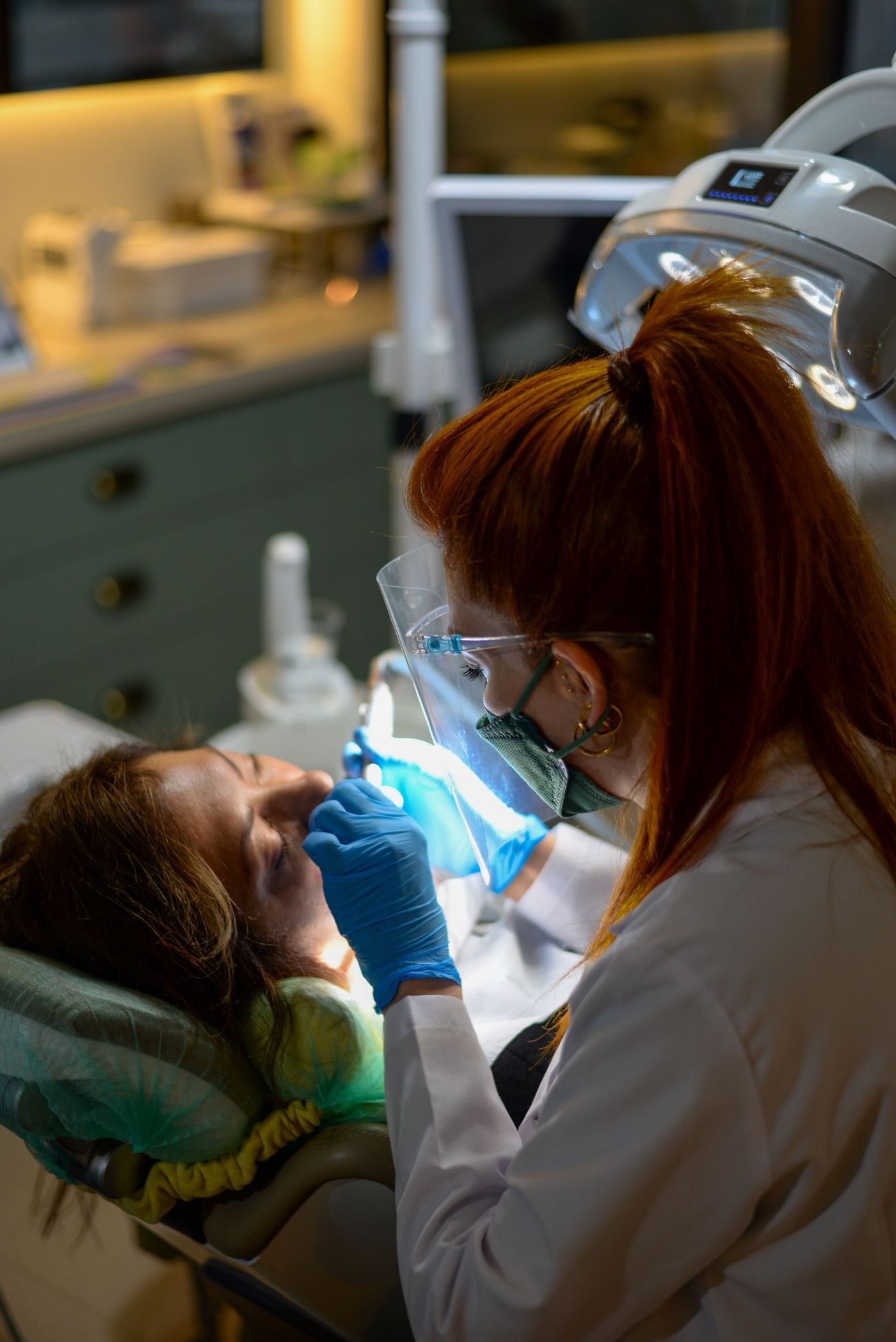
At the preparation appointment, immediately after achieving the final preparation form:
- Selective enamel etching — 37% phosphoric acid is applied to enamel margins only, for 15–30 seconds. Dentin is not etched with phosphoric acid in the IDS step; a self-etch adhesive strategy is used on dentin to preserve the collagen network.
- Adhesive application — a hydrophilic, single-bottle or two-bottle adhesive resin (typically a universal adhesive or a dedicated dentin primer system) is applied in two or three coats to the freshly cut dentin.
- Light polymerization — the adhesive is light-cured to full conversion, creating a sealed, cross-linked resin layer over the dentin surface.
- Glycerin oxygen inhibition layer removal — glycerin is applied over the cured adhesive and re-cured to eliminate the oxygen-inhibited surface layer, which would otherwise contaminate the provisional cement and prevent reactivation at cementation.
At the cementation appointment, the IDS layer is lightly air-abraded with 27-micron alumina particles to remove the provisional cement film and reactivate the adhesive surface. The silane-treated ceramic is then bonded through the reactivated IDS layer — creating an adhesive stack that is structurally continuous from ceramic through resin cement through IDS resin through hybrid layer into dentin collagen.
The Evidence: Bond Strength and Sensitivity Reduction
Magne's foundational laboratory work demonstrated that IDS produces tensile bond strengths 80–120% higher than deferred dentin bonding (bonding only at cementation). This finding has been replicated in multiple independent laboratories using both laboratory and clinically simulated conditions.
The clinical correlate — post-operative sensitivity — is dramatically reduced. In conventional indirect restorations without IDS, post-cementation sensitivity lasting weeks to months is common (reported in 15–25% of patients). With correctly executed IDS, clinically significant post-cementation sensitivity is rare. The sealed, pre-polymerized dentin layer acts as a complete barrier to hydrodynamic tubule fluid movement — the mechanism responsible for dentinal hypersensitivity.
How to Know if Your Dentist Is Using IDS
Ask directly: "Do you apply Immediate Dentin Sealing at the preparation appointment, before you take the impression?" A dentist trained in biomimetic protocols will immediately understand the question and describe the IDS step in detail. If they say "I do the bonding at cementation" or seem unfamiliar with the term IDS, they are not practicing the full biomimetic protocol.
IDS in Every Biomimetic Restoration Type
IDS is not procedure-specific — it is applied in every biomimetic indirect restoration where dentin is exposed:
- Ceramic inlays and onlays: IDS at preparation appointment; reactivation at cementation. Standard protocol.
- Ceramic overlays: Same as inlays/onlays. IDS is especially critical in heavily worn teeth where the remaining dentin layer may be thin and tubule density high.
- Porcelain veneers: If dentin is exposed during preparation (which occurs in many veneer preps, particularly on worn teeth), IDS is applied to those dentin areas selectively. Enamel areas are protected with a non-etched provisional.
- Full-coverage crowns performed by biomimetic-trained dentists: Even conventional crown cases prepared by AOBMD-trained dentists typically include IDS as standard protocol — the technique is not exclusive to onlays and overlays.
Credentials to Verify
- AOBMDAcademy of Biomimetic Dentistry Fellowship — IDS is a core competency for AOBMD fellowship. Documented case submissions require evidence of IDS in the clinical protocol.
- ALLEMANAlleman Center Six Lessons — Lesson 1 specifically covers Immediate Dentin Sealing: the biology, the adhesive chemistry, the clinical execution, and the oxygen-inhibited layer management. Any dentist who has completed Lesson 1 of the Six Lessons curriculum understands and applies IDS.
Frequently Asked Questions
Does IDS add cost to my restoration?
No. IDS is a protocol step performed within the preparation appointment. Biomimetic dentists do not itemize it separately — it is built into the overall restoration fee. Its absence, however, does add cost to your care over time through higher rates of post-op sensitivity, higher restoration failure, and eventually more complex restorative work.
Can IDS be added to a crown preparation?
Yes — IDS is applicable to any indirect restoration where dentin is exposed during preparation, including full crowns. A biomimetic-trained dentist preparing a crown will apply IDS regardless of the restoration type. If your conventional dentist is willing to add this step, it will meaningfully improve your outcome.
Why don't all dentists do IDS?
IDS requires an additional chairside step at the preparation appointment and fluency with adhesive chemistry protocols not typically taught in dental school. It adds approximately 10–15 minutes to the preparation visit. The technique was developed in academic biomimetic research and disseminated primarily through post-doctoral continuing education programs like the Alleman Center curriculum — not through dental school training or mainstream CE.