
About John Vancamp Dentistry
The practice works from an oral-systemic premise — that oral health contributes to overall wellbeing — and combines conventional and holistic methods accordingly. Treatment is minimally invasive by stated policy: only diseased tooth structure is removed, conserving sound enamel and dentin rather than reducing a tooth for a conventional full-coverage restoration. The studio is mercury-free and metal-free, and amalgam removal follows the protective protocols set out by the International Academy of Oral Medicine and Toxicology. Chairside CAD/CAM milling produces same-day porcelain inlays, onlays, crowns, veneers and fillings; ozone is applied for bacterial control, and zirconia implants are offered as a metal-free alternative to titanium.
Photos from the clinic’s website. Something wrong, or is this your clinic? Email hello@biomimeticclinics.com.
Credentialed Clinician
John VanCamp
IAOMT memberIAOMT recordverified 22 October 2026
Procedures
Clinic Details
- Address: 490 Post Street, Suite 1404, San Francisco, CA 94102
- Telephone: 4153974233
- Website: https://www.respectyourmouth.com/
- City: San Francisco, CA (all California clinics)
Common Questions
What protective measures are used during amalgam removal here?
The practice states it uses isolation devices, special suctions and vacuum systems, water coolants, room filters and air purifiers, external exhaust systems, an ambient oxygen source, protective eyewear, face and body protection for both patient and team, and detoxing sprays and ointments. It credits the International Academy of Oral Medicine and Toxicology with the guidance behind these protocols and says it was among the first practices to implement them.
What replaces an amalgam filling once it is removed?
Removed amalgam is replaced with BPA-free resins and porcelain, which the practice describes as the most biocompatible restorative material in dentistry. Patients who are sensitive, have multiple allergies, or are apprehensive are offered biomaterial compatibility testing to check for an allergic response to the proposed replacement materials before treatment proceeds.
How does same-day porcelain restoration work, and why is it described as conservative?
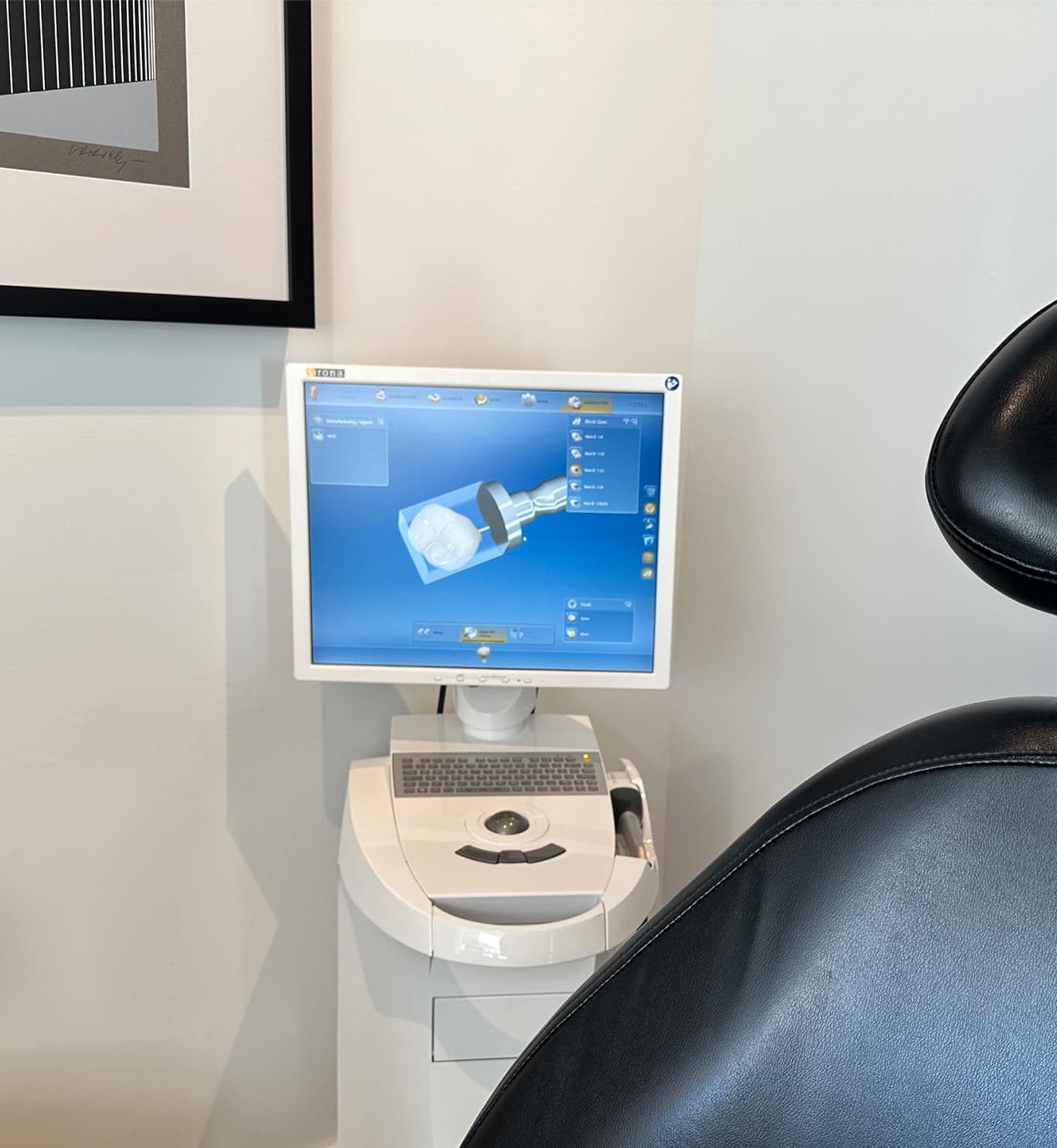
A camera captures three-dimensional images of the prepared tooth, the restoration is designed from those images, and a milling unit cuts it from a porcelain block in a single appointment, so no temporary is worn between visits. Only the damaged portion of the tooth is removed, which the practice says can avoid the greater tooth reduction a conventional crown requires and may make full-coverage crown replacement unnecessary.
How is ozone used in treatment at this practice?
Ozone is applied as a gas through a control tip or as liquid irrigation with ozonated water. It notes that ozone therapy is not FDA approved, while describing it as long established in dentistry.
What infection-control measures does the studio maintain in its treatment rooms?
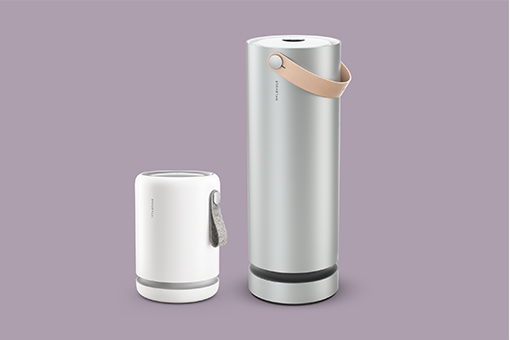
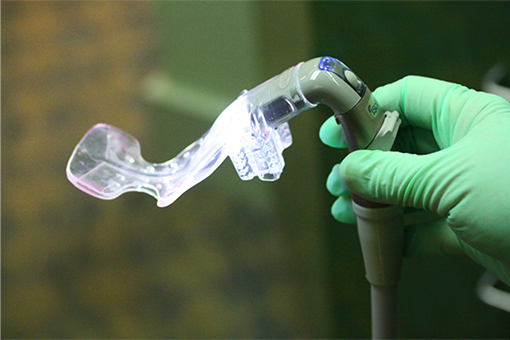
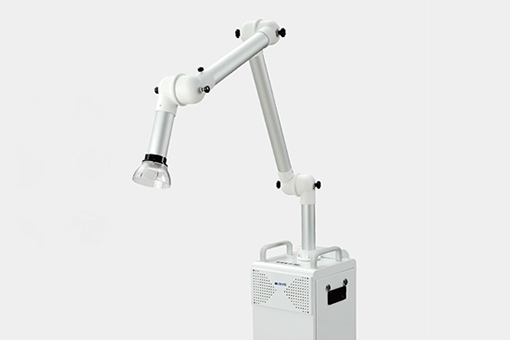
Each room holds a Molekule air purifier using PECO technology, and hand-sanitizing stations and sink basins are provided throughout. For cleanings, crowns and restorative work the practice uses an Isolite fitted mouthpiece with continuous suction, which it states reduces airborne particles, bacteria and pathogens by ninety percent, alongside an OCTOdent extraoral aerosol suction unit with six-stage filtration that captures aerosols at the source.