
About Twin Rivers Periodontics
Twin Rivers Periodontics is a periodontal and dental implant clinic in Jacksonville, Florida, treating gum disease, gum recession, loss of the bone and soft tissue that support teeth, and tooth replacement with implants. Both surgical and non-surgical care are provided, and the clinic describes its approach as conservative and biologically driven, performing the least invasive procedures possible and using biologics — the body's own healing cells and growth factors, plus biologic proteins — to support regeneration of bone and gum tissue. Diagnosis draws on a 3D cone beam CT scanner, digital radiography, digital intraoral scanning and 3D implant-planning software, and surgery is carried out in a dedicated suite under a ZEISS dental surgical microscope. Implant work ranges from single implants and implant-supported bridges to All-on-X full-arch replacement and denture stabilization, with metal-free ceramic options among those reviewed at consultation. Gum disease treatment begins with LANAP laser therapy rather than surgery.
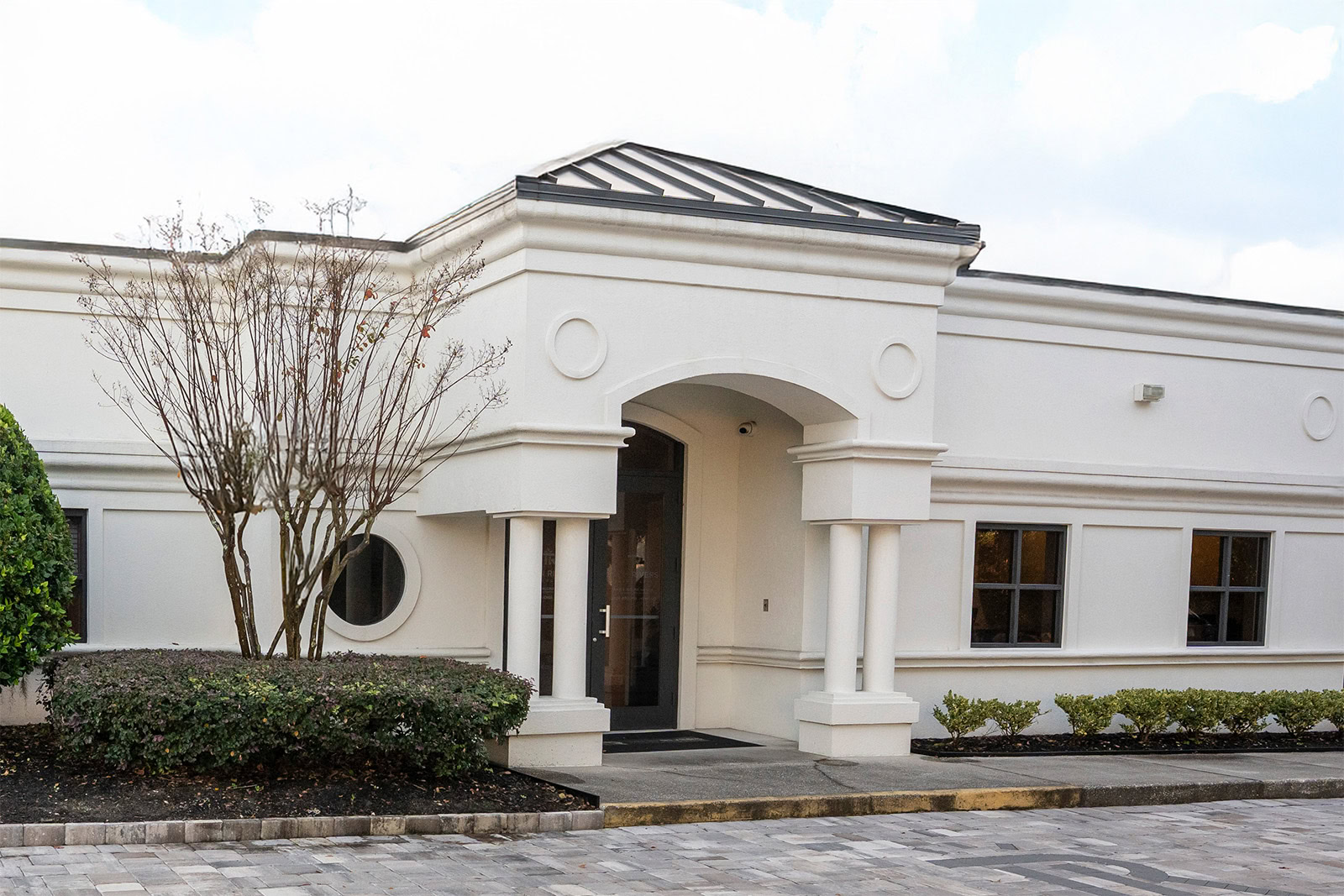
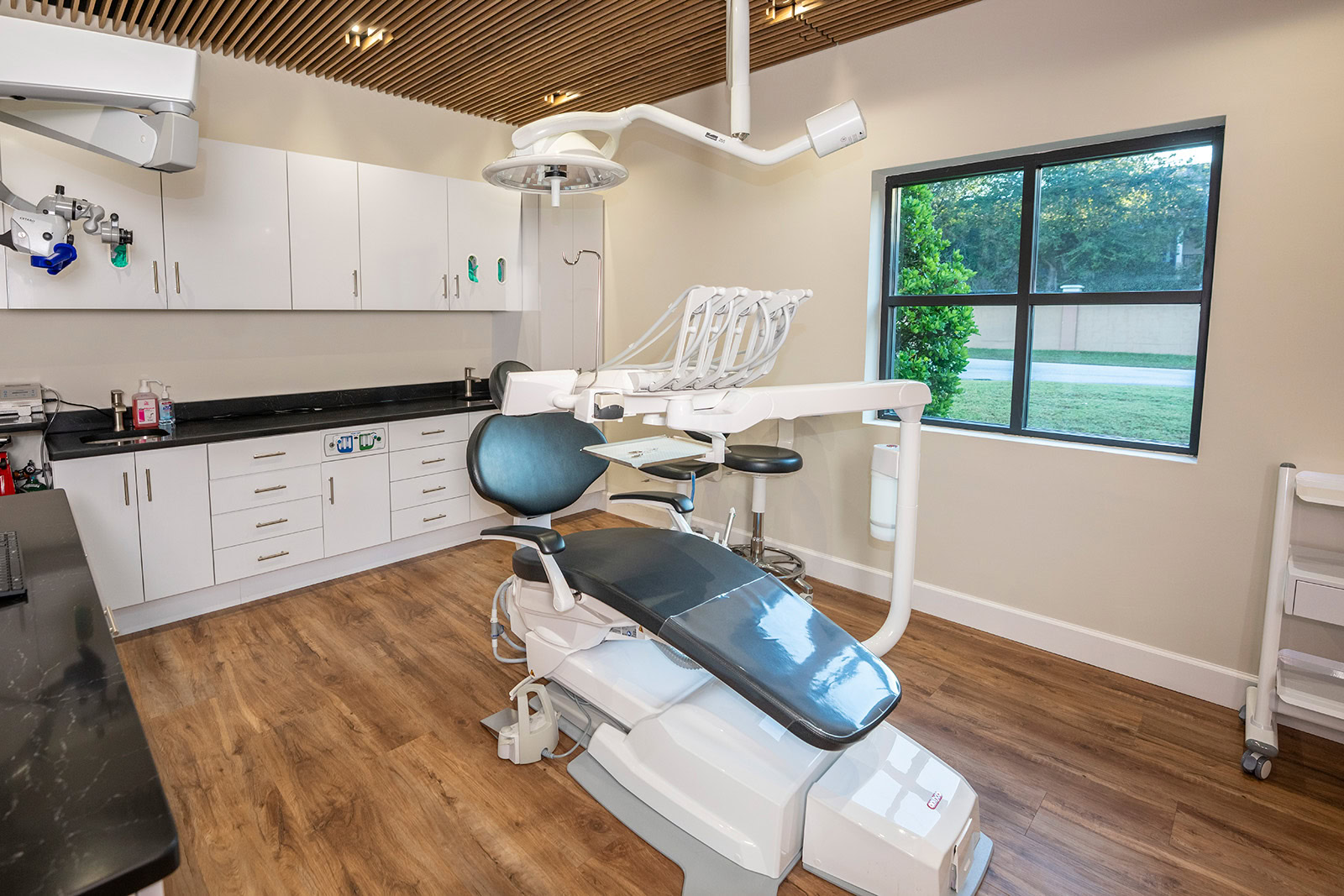
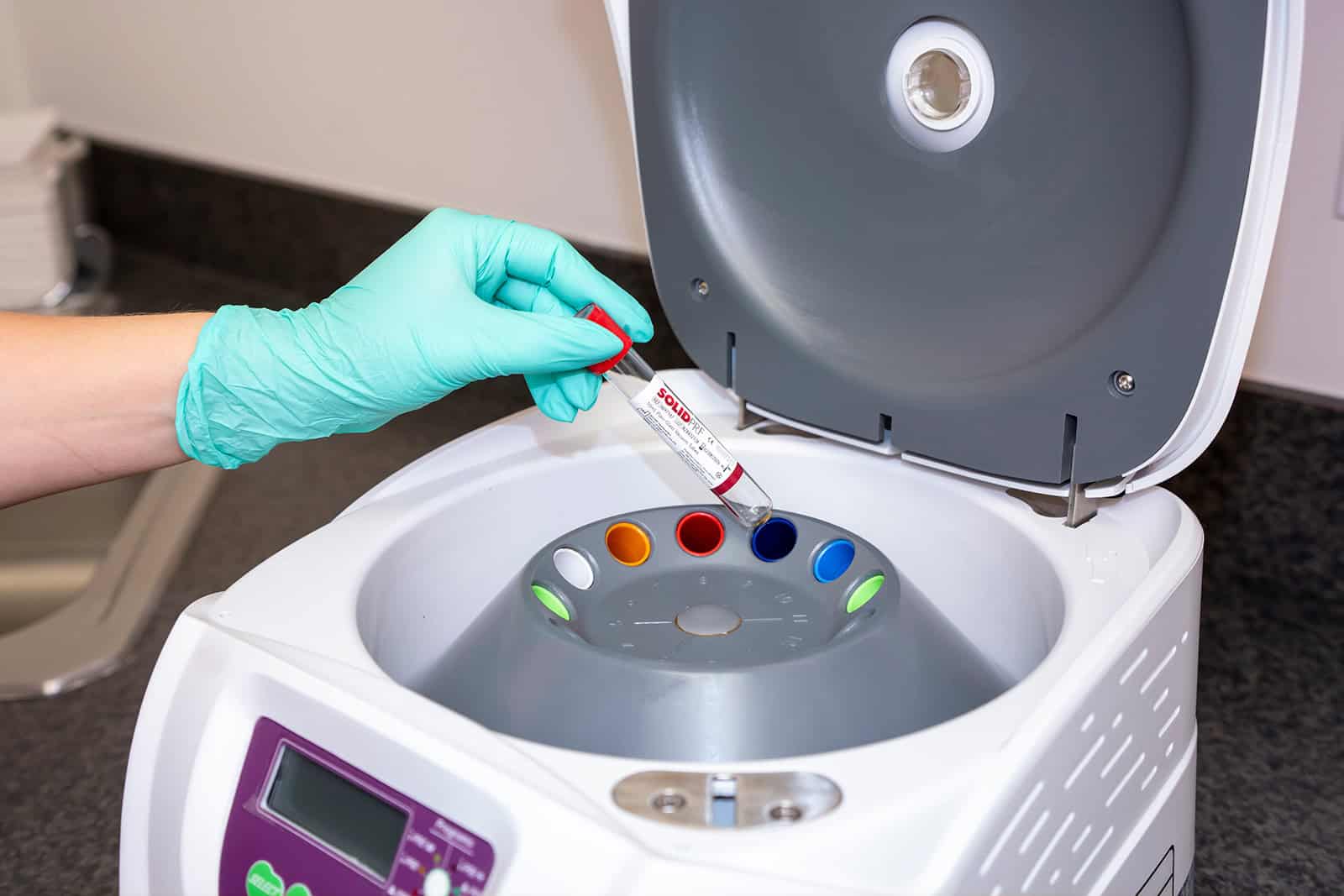
Photos from the clinic’s website. Something wrong, or is this your clinic? Email hello@biomimeticclinics.com.
Credentialed Clinician
Raul Molina
IAOMT memberIAOMT recordverified 22 October 2026
Procedures
Clinic Details
- Address: 3990 San Jose Park Drive, Jacksonville, FL 32217
- Telephone: (904) 731-1324
- Website: https://twinriversperio.com/
- City: Jacksonville, FL (all Florida clinics)
Common Questions
What does this clinic treat, and is it a general dental clinic?
It is a periodontal specialty clinic. The recorded scope is gum disease, gum recession, cosmetic gum treatment such as recontouring, the bone and gum tissue surrounding teeth, and dental implant surgery — including single implants, implant-supported bridges, All-on-X upper or lower replacement, removable implant-retained dentures and denture stabilization.
How is gum disease approached before surgery is considered?
Treatment starts with a comprehensive periodontal evaluation using 3D imaging and full-mouth radiographs to assess disease extent and bone loss. The first line of treatment is LANAP laser therapy with a Millennium laser, described as the only FDA-approved device for minimally invasive gum disease treatment. It requires no incisions, flaps or sutures, is usually completed in one or two appointments, and is followed by an evaluation about twelve months later.
What happens if the periodontitis is severe or does not resolve?
A multi-step sequence is used. Laser therapy first reduces deep bacterial infection and inflammation and stimulates regeneration of bone and ligament, and loose teeth are physically stabilized so supporting structures can regrow. Patients are seen every two months during the first year, with laser therapy repeated as needed. Persistent infection is addressed with flap surgery to disinfect deep pockets and root surfaces, and guided tissue regeneration places a barrier that directs bone regrowth around the tooth.
What imaging and surgical equipment is used during treatment?
A ZEISS dental microscope provides the magnification and illumination used for microscopic periodontal and implant surgery, a Millennium laser delivers LANAP for gum disease and LAPIP for peri-implantitis, and a 3D cone beam CT scanner gives a 360-degree view of oral anatomy for procedure planning. Digital radiography, a digital intraoral scanner instead of conventional impression material, and 3D implant-planning software complete the workflow.
Which implant materials and full-arch options are available?
The clinic places Straumann implants made from a proprietary titanium-zirconia alloy, and offers single implants, implant-supported bridges, All-on-X replacement of upper and/or lower teeth, removable implant-retained dentures and denture stabilization.
Is systemic health taken into account when planning periodontal treatment?
Yes. The clinic frames advanced gum disease as a chronic source of inflammation associated with conditions such as diabetes and heart disease, and notes that diabetes, smoking or vaping, immune disorders and certain medical treatments can make periodontitis harder to control and affect healing. Each patient's overall health is therefore weighed when diagnosing, setting recall intervals and managing advanced cases.