
About Wellness Pediatric Dentistry & Airway
Wellness Pediatric Dentistry & Airway is a pediatric practice at 2211 NW Military Hwy, Suite 119, in Castle Hills, treating infants, children and teenagers. Its stated clinical emphasis is the oral-systemic relationship between jaw development, breathing and sleep: evaluations assess facial growth patterns, breathing quality, sleep patterns and nutritional status rather than the dentition alone, and children five and older complete a pediatric sleep questionnaire. Restorative work uses BPA-free tooth-colored composites, biocompatible crowns and biocompatible sealants, with ozone therapy and silver diamine fluoride available for minimally invasive management of early decay. Fluoride-free options, including hydroxyapatite remineralization, are offered alongside conventional fluoride treatment, and dietary guidance drawn from a nutritional sciences background accompanies preventive visits. Airway-focused orthodontics — palate expansion and Invisalign First — is used for early intervention, and private treatment rooms accommodate children with autism and sensory processing differences. A clinician at this practice is recorded with the International Academy of Biological Dentistry and Medicine.
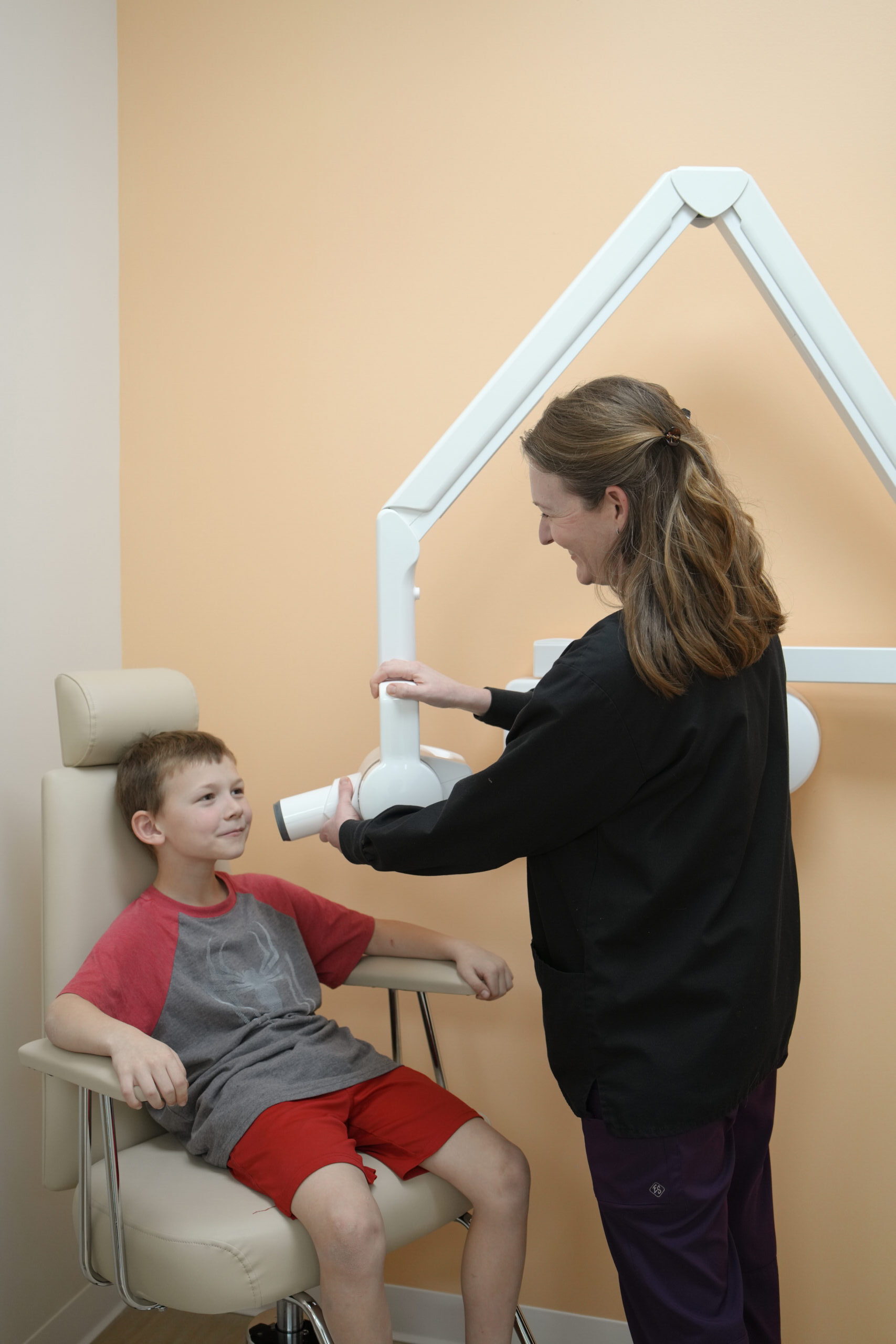
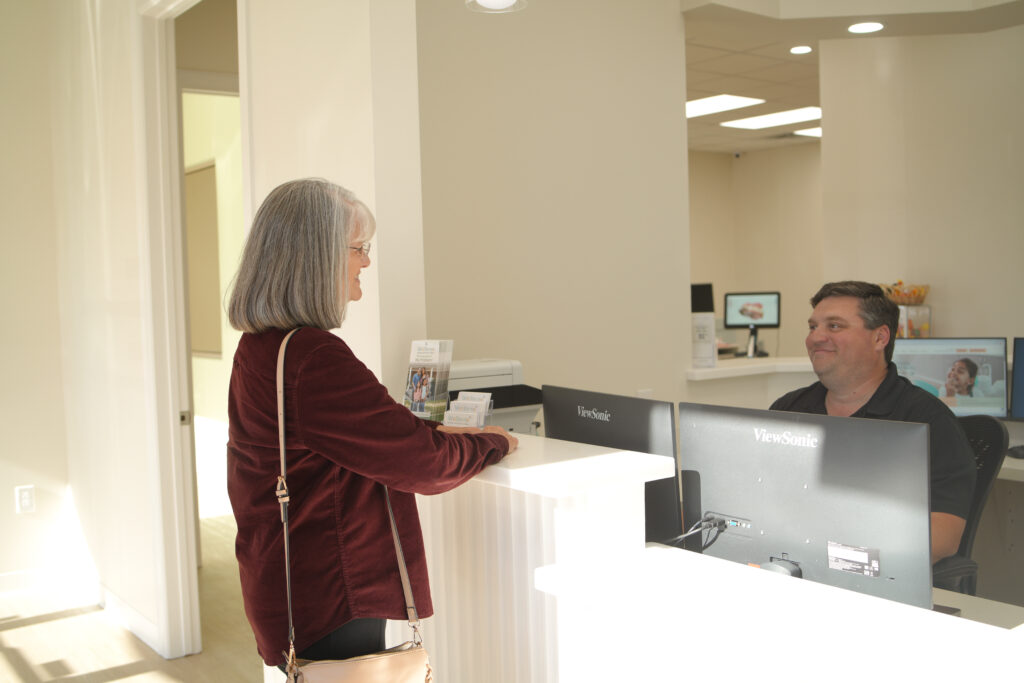
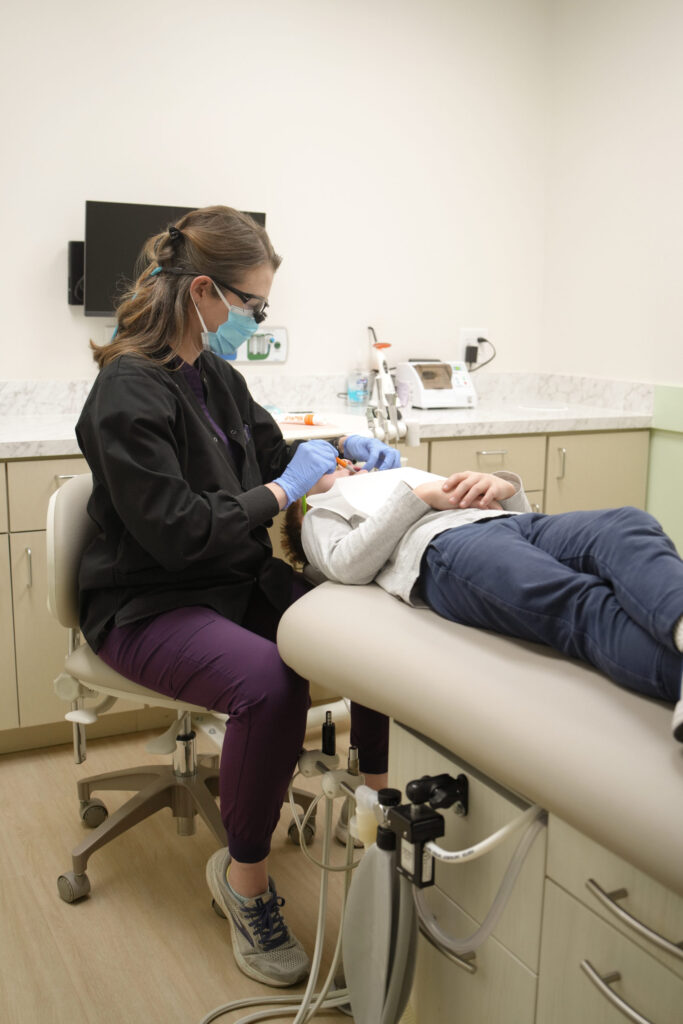
Photos from the practice’s website. Something wrong, or is this your practice? Email hello@biomimeticclinics.com.
Credentialed Clinician
Christi Wengler (DDS)
Directory memberIABDM recordverified 8 September 2026
Procedures
Practice Details
- Address: 2211 NW Military Hwy Suite 119
- Telephone: 210-352-9028
- Website: https://wellnesspediatricdentistry.com/
- City: Castle Hills, TX (all Texas practices)
Common Questions
What does this practice's airway assessment actually involve?
Airway-focused care here begins with a pediatric sleep questionnaire and an assessment of breathing quality and facial growth patterns, on the premise that most jaw growth occurs before age six. Where restriction is identified, early intervention is offered through palate expansion and Invisalign First, aimed at addressing mouth breathing or a narrow palate before more involved treatment would be required.
Which materials does the practice use for fillings and sealants?
Restorations are placed with BPA-free, tooth-colored composites, with biocompatible crowns and biocompatible sealants also used. Mercury-free options are specified, and the practice states that every material choice is explained to the parent so that informed consent precedes treatment. Pulp therapy is performed when needed, with preservation of natural tooth structure described as the governing principle.
What fluoride-free alternatives are available for cavity prevention and arrest?
Hydroxyapatite remineralization is offered as a fluoride-free alternative for cavity prevention, and ozone therapy is used as an antimicrobial to reduce bacterial load. Silver diamine fluoride is applied for minimally invasive cavity arrest where appropriate. Conventional fluoride treatment remains available; the practice presents both routes rather than substituting one for the other.
How does the practice work with children who have autism or sensory processing differences?
Quiet, private treatment rooms are maintained specifically for children with autism, sensory processing differences and complex medical histories. Procedures are explained in advance and visits are paced to the individual child, with a slower introduction to care for children carrying difficult past dental experiences. PSP plate imaging is used in place of rigid digital sensors, giving a thinner, more flexible radiographic technique.
What happens at a first visit, and does the practice see second opinions?
A first visit comprises a full evaluation, the pediatric sleep questionnaire for children five and older, examination, and a discussion of findings and treatment options. The practice recommends a first visit by age one or within six months of the first tooth erupting, and states that it sees families seeking second opinions on proposed treatment plans.