
About Nunnally Freeman and Owens
Nunnally, Freeman & Owens practices biological dentistry at 2100 FM 1431 West in Marble Falls, Texas, and states that it serves patients from all 50 states and 63 countries. The clinical model is built around dental revisions — the removal of potentially toxic materials and teeth, including mercury fillings, nickel and old metal crowns and bridges, root canal treated teeth, dead or infected teeth, and debridement of cavitation sites — followed by replacement with biocompatible materials. Work is carried out under defined protection protocols, and the practice reports that years of dental work are often addressed in a single visit. Supportive therapies span IV vitamin C, ozone, platelet-rich fibrin grafts prepared from the patient's own blood, and IV conscious sedation with monitoring of protective reflexes, blood pressure, heart rhythm and pulse. The hygiene department uses phase contrast microscopy to identify bacterial types and direct individualized periodontal and home-care plans.
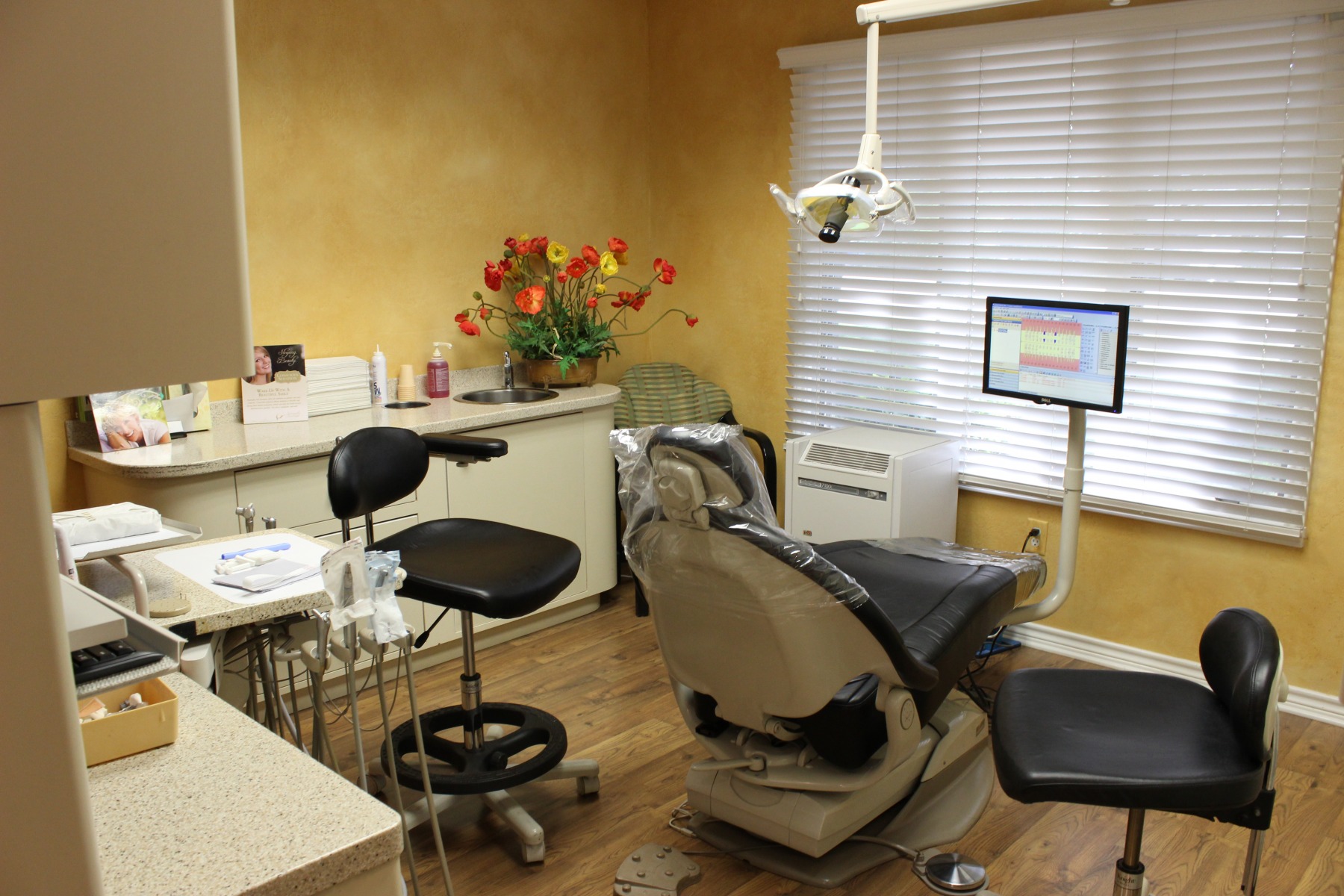
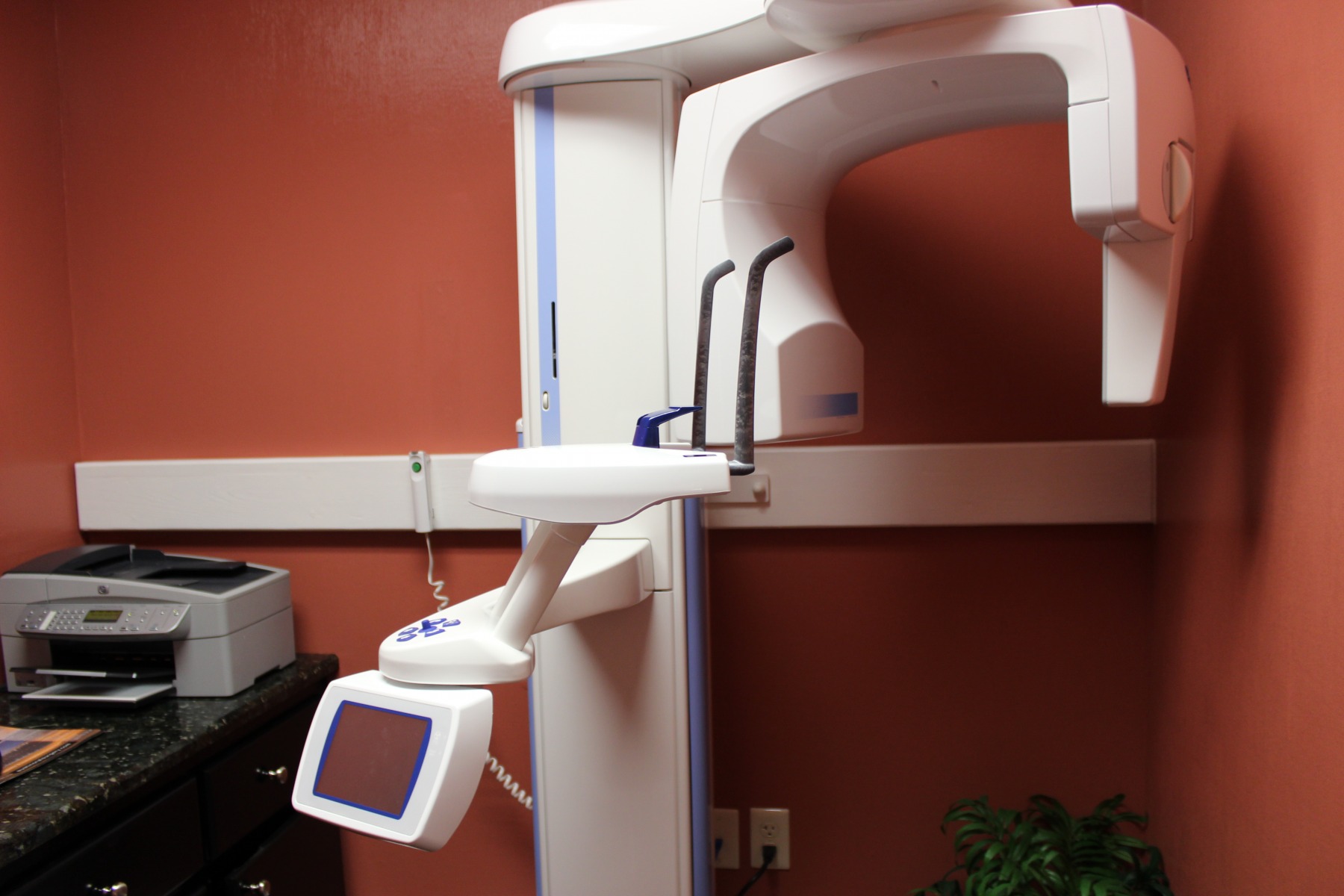
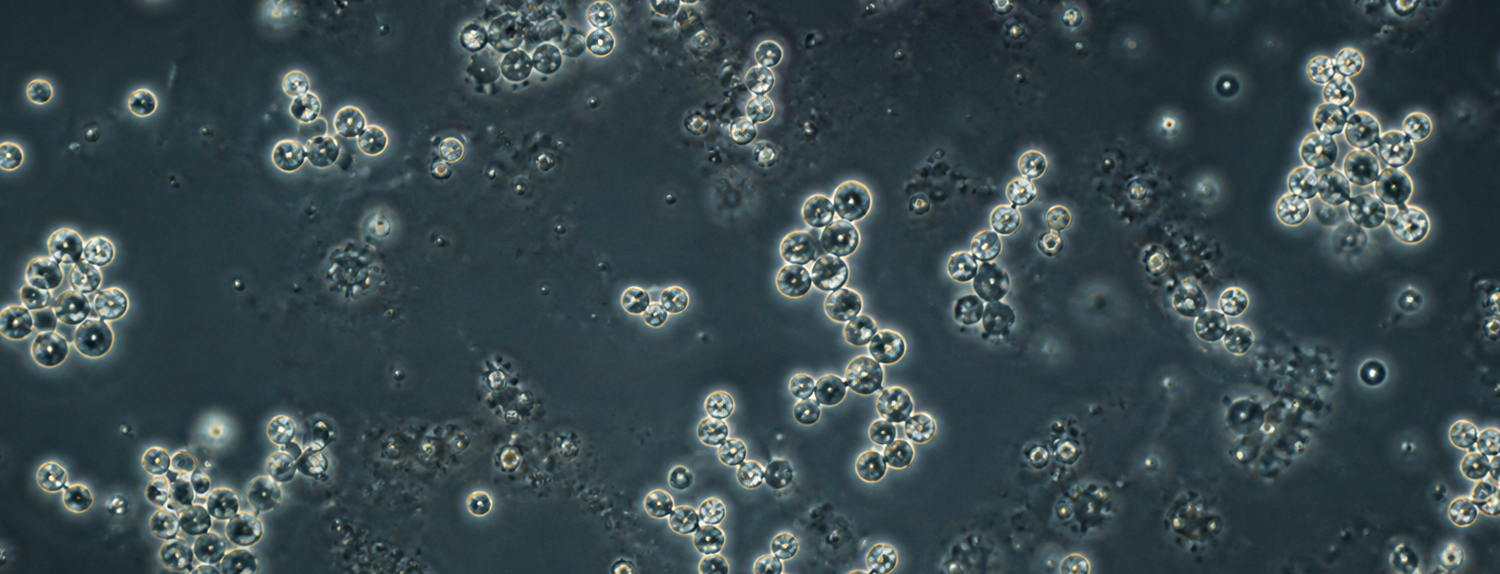
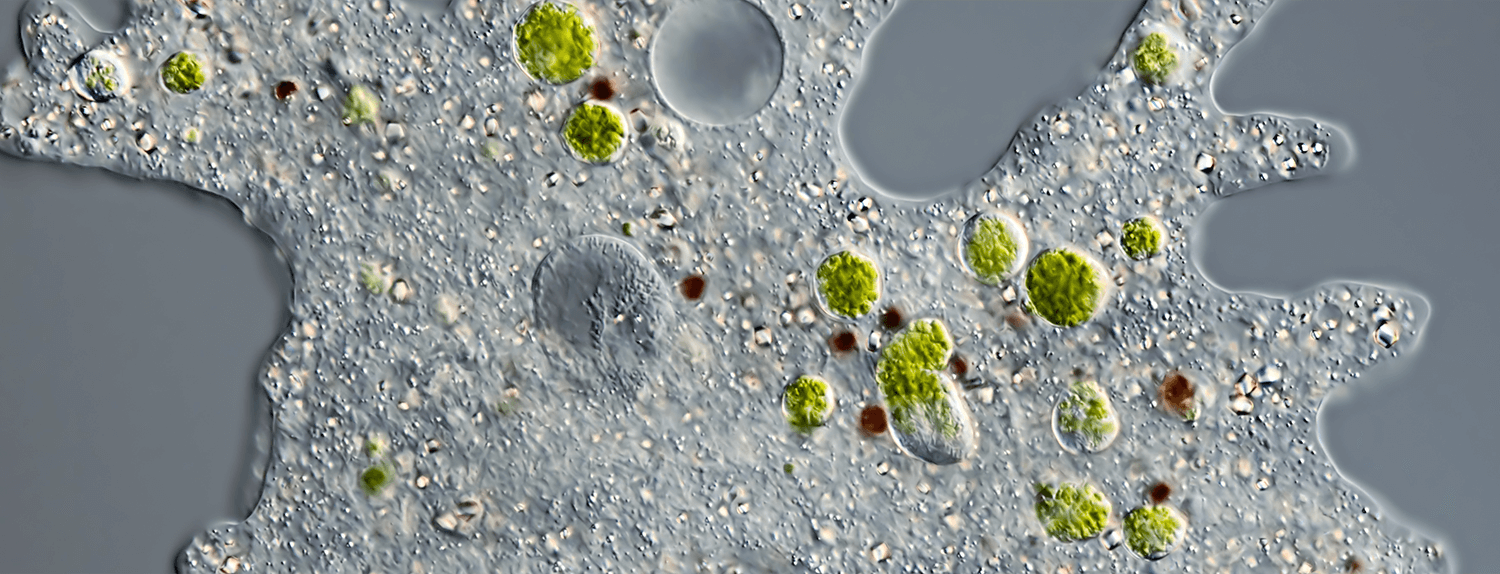
Photos from the practice’s website. Something wrong, or is this your practice? Email hello@biomimeticclinics.com.
Credentialed Clinicians
Candice Owens (DDS)
Directory memberIABDM recordverified 8 September 2026
Stuart Nunnally (DDS)
Directory memberIABDM recordverified 8 September 2026
Procedures
Practice Details
- Address: 2100 FM 1431 West
- Telephone: 830-693-3646
- Website: https://healthysmilesforlife.com
- City: Marble Falls, TX (all Texas practices)
Common Questions
What is a dental revision, and what does it involve here?
A dental revision is the removal of potentially toxic materials and teeth and their replacement with biocompatible materials. The practice describes this as covering mercury fillings, nickel crowns, old metal crowns and bridges, root canal treated teeth, dead or infected teeth, and thorough debridement of cavitation sites. Specific protection protocols are applied during the work, and the practice states that years of dental work are frequently replaced in one visit.
How does the practice handle amalgam removal?
The practice states that it follows the Safe Mercury Amalgam Removal Technique for removing mercury amalgam fillings, a protocol intended to reduce mercury exposure during removal, and that its doctors use this protocol in the office. Removal is carried out alongside the wider protection measures described for revision work, including rubber dam isolation, high-speed suction, high-speed air filtration, supplemental oxygen and a negative ion generator.
What protection and support protocols are used during treatment?
The practice lists rubber dam isolation of the treatment area, high-speed suction, a high-speed air filtration system, supplemental oxygen, digital x-rays, a negative ion generator and ozone. Supportive measures include IV conscious sedation, IV vitamin C, platelet-rich fibrin grafts, acupressure, warm blankets, neck pillows, and organic smoothies, coffees and teas. These protocols are described as protecting the patient and encouraging healing during removal work.
How are cavitation procedures and extractions supported?
Surgical support protocols apply to both cavitation procedures and dental extractions, with each plan individualized around the procedure, patient recovery and the patient's own needs. Components may include IV vitamin C, acupressure before, during and after treatment, ozone as an adjunctive part of site preparation and care, IV conscious sedation with vital-sign monitoring, and platelet-rich fibrin prepared from the patient's own blood to support healing.
What does the hygiene department do differently?
The hygiene team employs a phase contrast microscope to determine which types of bacteria are present and which treatment approach fits the individual patient. Ozone is used as an approach to eliminating infection-producing bacteria, viruses and fungi. The team is described as having a combined 130 years of experience, and conservative periodontal therapy depends on following the home-care plan and timing guidance the hygiene team provides.