
About Root Canal Care Center
Root Canal Care Center is an endodontic clinic in Highland Park, Illinois, where care is confined to the inner structures of the tooth — the nerve and root system — when decay, cracks, trauma or previous dental work have left that tissue inflamed or infected. The clinic states that its scope covers root canal therapy, retreatment, endodontic microsurgery, cracked tooth management and dental trauma care, and that its stated objective in each case is to preserve the natural tooth wherever the tooth is judged worth saving. Diagnosis does not rest on symptoms alone: the clinic describes using X-rays, 3D imaging and diagnostic testing to establish whether a nerve is healthy, inflamed or infected before any treatment is planned. Referrals arrive from general dentists, and the clinicians recorded here are listed with the International Academy of Biological Dentistry and Medicine.
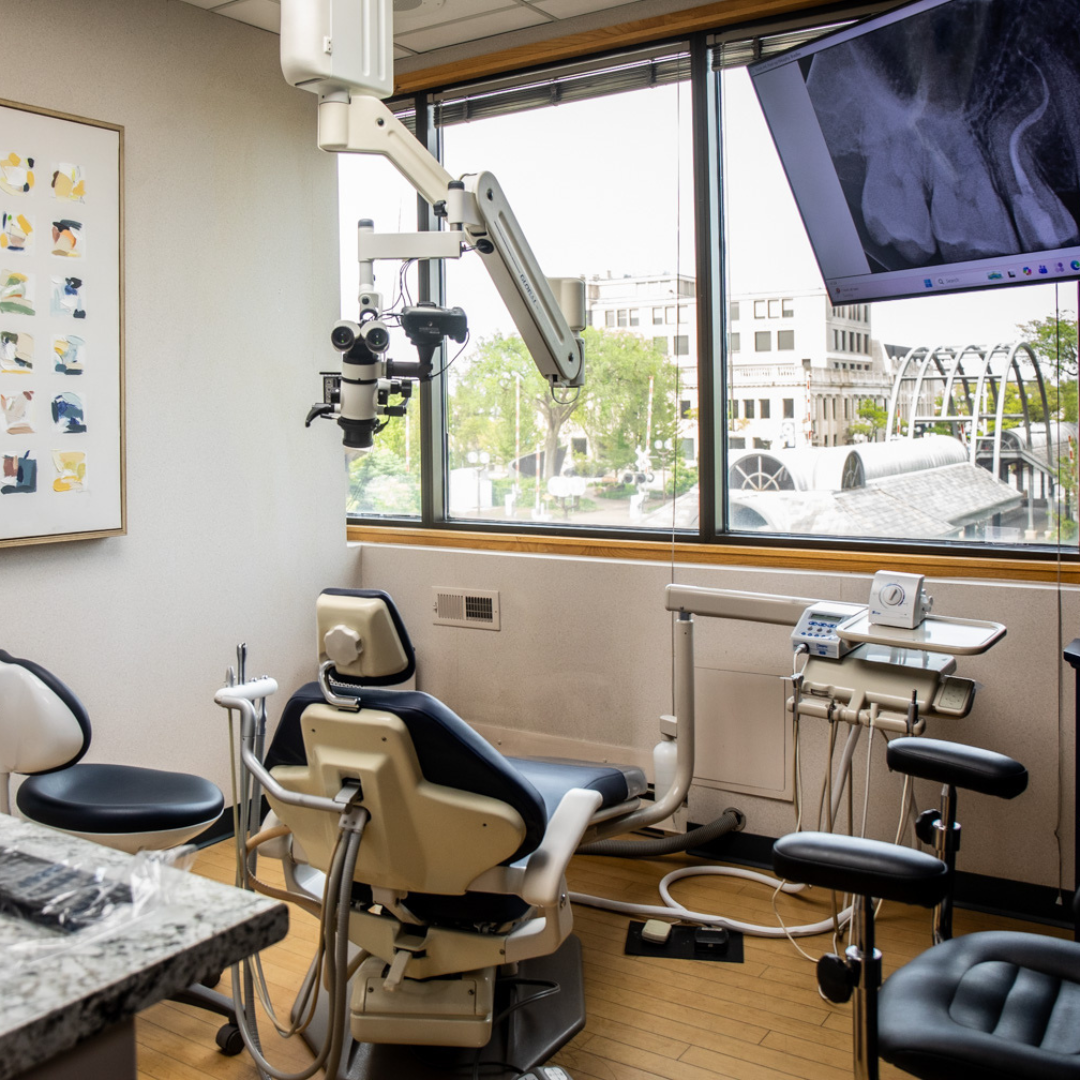
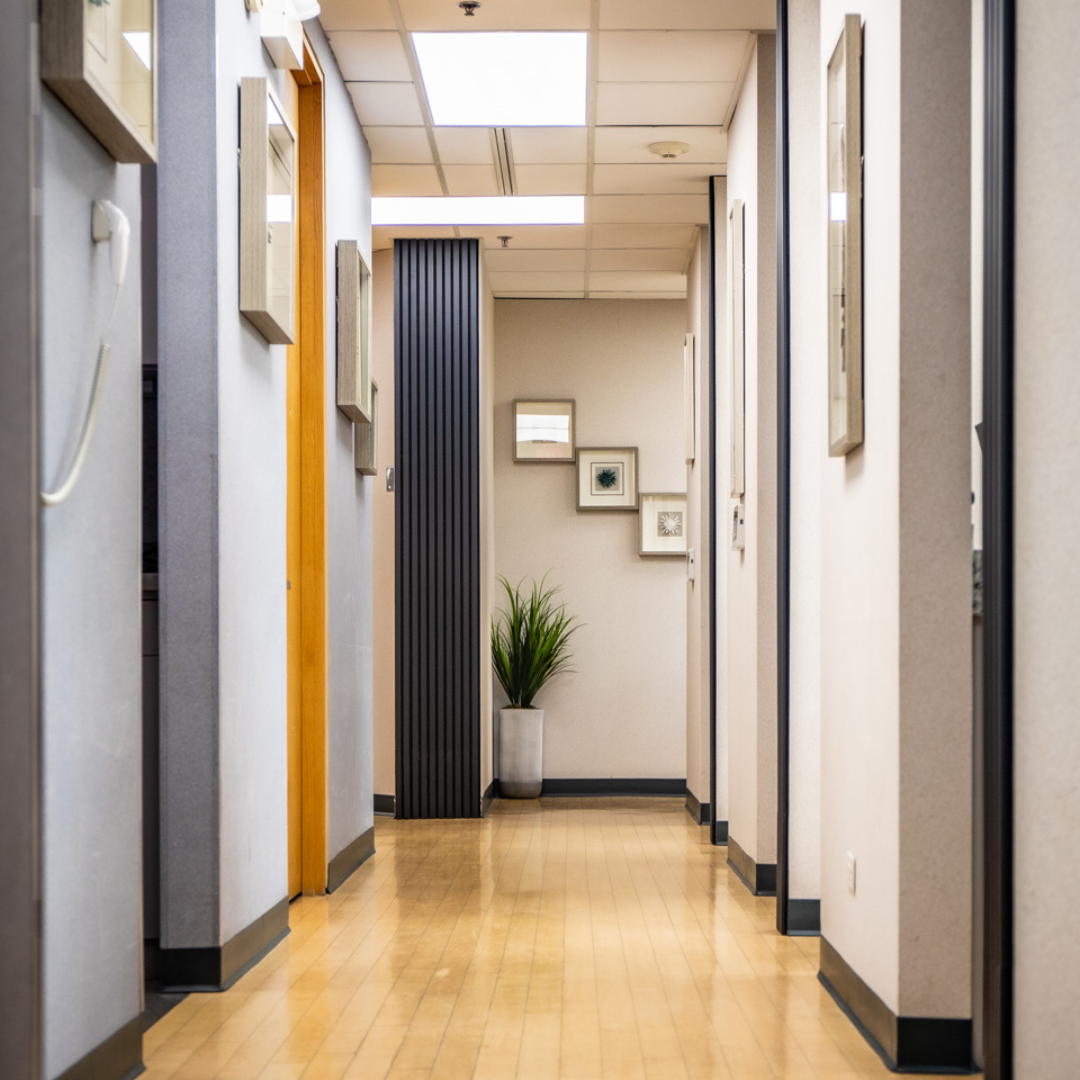
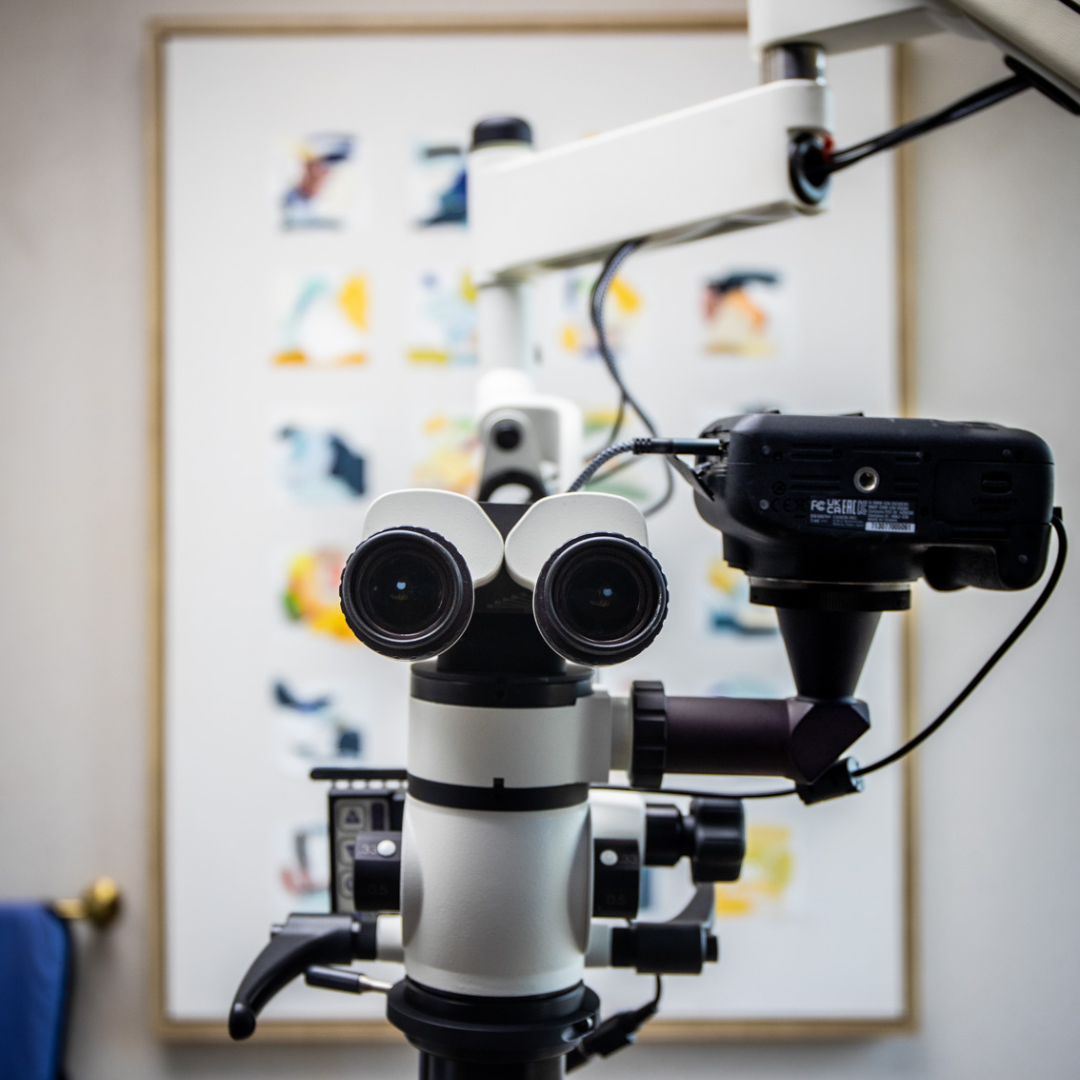
Photos from the clinic’s website. Something wrong, or is this your clinic? Email hello@biomimeticclinics.com.
Credentialed Clinician
William Nudera (DDS)
IABDM memberIABDM recordverified 24 October 2026
Procedures
Clinic Details
- Address: 600 Central Ave, Suite 250, Highland Park, IL 60035
- Telephone: 8474335155
- Website: https://rootcanalcarecenter.com/
- City: Highland Park, IL (all Illinois clinics)
Common Questions
How is a cracked tooth diagnosed when the crack is not visible?
The clinic states that cracks in teeth are not always visible, and that it uses advanced imaging and specialist technique to identify small or hard-to-detect fractures. A crack may remain confined to the enamel or extend toward the nerve; the clinic's position is that establishing which, early, is what allows the tooth to be stabilised before the damage progresses to infection.
What happens during cracked tooth treatment here?
Assessment comes first, to establish the extent of the damage and the source of symptoms. The clinic then describes discussing how to protect the tooth: this may mean a crown to stabilise it, or root canal treatment if the inner portion of the tooth is involved. The tooth is restored and protected afterwards to support long-term health.
Why would extraction not be the simpler option?
The clinic states that in most cases saving the natural tooth is the preferred option. It notes that extraction, while appearing simpler at the outset, can create further treatment requirements — replacing the missing tooth with an implant or bridge — and that retaining the tooth maintains the existing bite and prevents adjacent teeth from shifting.
How long does treatment take, and can I return to work afterwards?
The clinic states that most root canal treatments are completed in around an hour, with the exact duration depending on the tooth and the complexity of the case — explained to the patient before treatment begins. Treatment is carried out under local anaesthetic. The clinic describes most patients returning to normal daily activities quickly, with minimal disruption.